

In the digital age, a multi-vendor marketplace shapes the future of retail. Businesses now rely on robust vendor management systems, automated inventory management systems, and advanced software to thrive. These platforms streamline multi-seller operations, enable smarter stock control through inventory storage systems, and support efficient order handling via order management system software. Tools such as warehouse inventory management programs and simple inventory management systems help track products in real time. By connecting vendor software with powerful management software for ecommerce, retailers reduce overhead, boost efficiency, and scale seamlessly. An integrated vendor information system keeps all seller data accurate and easily accessible.
Multi-vendor ecommerce platforms provide a competitive edge in today’s global market. They enable retailers to onboard multiple sellers under one roof.
Key Advantages:
Retailers can use multi-vendor marketplace software to centralize operations. These systems support advanced features like multi-cloud management vendors, ensuring data is always available, secure, and scalable.
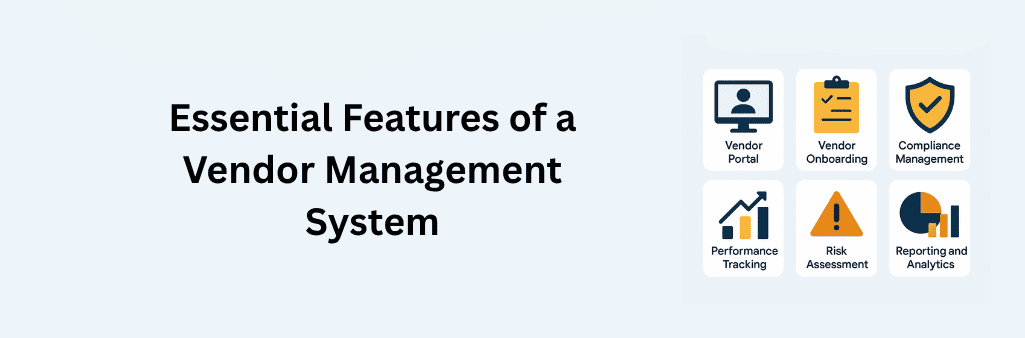
A reliable vendor management system is essential for running a smooth and scalable multi-vendor marketplace.
Key Features to Look For:
Modern vendor software integrates with third-party platforms and management software for ecommerce. This ensures better coordination between marketing, logistics, and sales.
A Multi-Vendor Marketplace thrives when customer experience is prioritized through technology and automation. A seamless interface that unifies multiple sellers under one roof allows shoppers to browse, compare, and purchase effortlessly. By integrating tools such as an automated vendor management system and warehouse inventory management software, retailers can ensure real-time product updates, accurate availability, and faster deliveries. Personalized recommendations and automated support bots powered by AI can further enhance engagement and satisfaction. In a competitive ecommerce landscape, optimizing user journeys in a multi-vendor environment not only boosts conversion rates but also strengthens long-term brand loyalty.
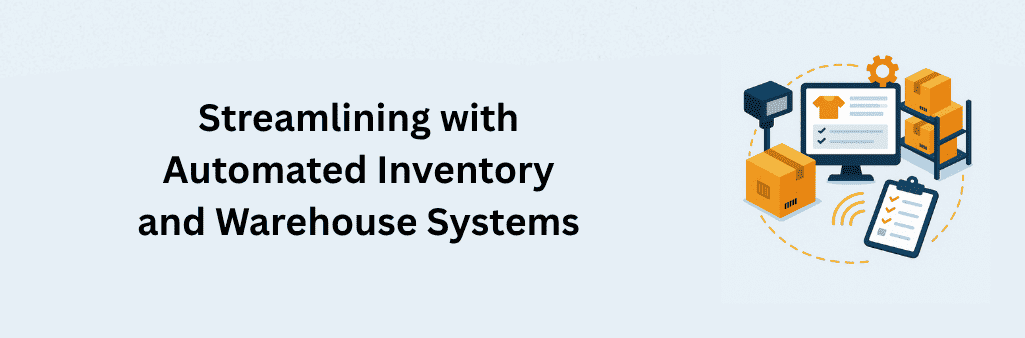
Running a multi-vendor marketplace requires a robust infrastructure for tracking products from supplier to customer.
Why Automation Matters:
These systems also connect with vendor inventory management tools to automate stock alerts, reorder processes, and shipments.

Selecting the right multi-vendor marketplace platform defines your business success.
What to Consider:
When evaluating tools, ensure they align with your supply chain and ecommerce goals. Multi-cloud management vendors help maintain uptime and performance for global users.
A Multi-Vendor Marketplace empowers retailers to scale efficiently by connecting diverse sellers, automating backend processes, and improving visibility across operations. Leveraging advanced order management system software and inventory storage systems, businesses can manage higher order volumes without sacrificing accuracy or speed. Automation reduces manual workload, enabling administrators to focus on strategic growth rather than operational bottlenecks. Whether expanding into new regions or onboarding additional vendors, an integrated multi-vendor ecommerce platform ensures consistent performance, data security, and scalability. With intelligent analytics, businesses gain actionable insights that fuel expansion and profitability in a fast-evolving retail ecosystem.

Ginkgo Retail delivers tailored solutions for today’s multi-vendor ecommerce ecosystem. It combines powerful management software for ecommerce, seamless vendor inventory management, and scalable inventory storage systems to offer retailers an edge. Whether you’re launching a new online marketplace or scaling an existing one, Ginkgo Retail simplifies vendor coordination, automates inventory updates, and ensures data integrity. It supports integration with various automated inventory management systems and boosts performance with order management system software that’s accurate and fast.
A successful multi-vendor marketplace depends on having the right tools in place. From efficient vendor management systems to smart warehouse inventory management programs, every system contributes to better customer service, streamlined operations, and sustainable growth. With modern platforms offering seamless integration, even complex ecosystems can be automated and optimized. Solutions like Ginkgo Retail are redefining how retailers manage vendors and inventory, making the future of ecommerce smarter, faster, and more efficient.

Obaid Arshad is the CEO/Founder of Ginkgo Business Solution. He has diverse experience of 10+ years in versatile domains of e-commerce, logistics and tech-oriented business. His eminent role in ecommerce management empowered him to benefit the industry with his knowledge, vision and experience.
Digital Wallet