
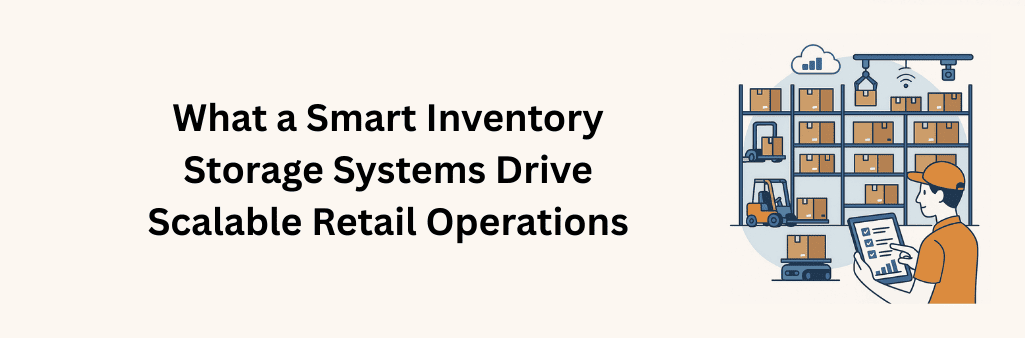
Modern inventory storage systems do more than just hold products—they optimize every stage of retail logistics. For businesses operating on a multi-vendor marketplace platform, these systems act as the foundation for seamless stock movement, vendor coordination, and customer satisfaction. A well-designed solution connects your vendor inventory management, warehouse inventory management, and automated inventory management systems into a single ecosystem. This holistic view enables real-time inventory tracking, faster order processing, and accurate reporting. Leading platforms like Ginkgo Retail rely on such intelligent storage infrastructure to handle diverse vendor inventories with precision. By adopting scalable inventory storage systems, businesses reduce human errors, enhance warehouse productivity, and improve the overall buyer experience. The result is a dynamic, future-ready operation that supports growth and long-term success in competitive ecommerce markets.
Selecting the right inventory storage systems is essential for maintaining efficiency and scalability in a multi-vendor ecommerce setup. A system that fits your specific warehouse layout, product types, and vendor needs ensures smooth operation across the board. Look for solutions that integrate seamlessly with your existing vendor management system, order management system software, and warehouse inventory management program. Cloud-based options supported by multi-cloud management vendors also provide greater flexibility and access control. In platforms like Ginkgo Retail, advanced inventory management software for ecommerce supports automated reordering, real-time tracking, and vendor-level reporting. Whether you’re handling retail inventory or managing multiple supplier accounts, the right inventory storage system reduces errors, improves speed, and scales with your business growth.

Inventory storage systems are essential for maintaining order in a multi-vendor ecommerce platform. With hundreds of sellers, storage organization must be clear, accessible, and digital.
Key benefits include:
A powerful inventory management software for ecommerce enables vendors to monitor their products and sales trends. These tools often feature dashboards that provide live updates.
Additionally, incorporating order management system software helps track purchases, handle returns, and manage delivery. This integration boosts transparency and vendor satisfaction.
Today’s commerce landscape demands automated inventory management systems. Manual tracking leads to errors and delays. Automation ensures that updates happen in real-time, across every channel.
Core features of automated systems:
These systems are ideal for businesses handling numerous vendors. With automated vendor management systems, onboarding, verification, and compliance processes become seamless.
Retailers using multi-cloud management vendors can easily scale their operations. Cloud-based tools also allow global access and ensure data security.

warehouse inventory management is where most delays and errors occur. A disorganized warehouse slows shipping and increases costs. A simple inventory management system can change that.
Steps to optimize warehouse inventory:
A powerful warehouse inventory management program increases order accuracy and reduces labor costs. Vendors benefit from faster processing, and customers receive their orders on time.
Additionally, a reliable vendor information system keeps supplier records organized, making restocking and product changes easier.
Vendor software enables multi-seller coordination. On a multi-vendor marketplace platform, it’s essential to keep communication, payments, and performance tracking streamlined.
Benefits of vendor management systems:
A well-integrated vendor management system also allows sellers to sync inventory automatically. This reduces discrepancies between available stock and published listings.
For marketplaces like Ginkgo Retail, this system improves seller trust and platform scalability.

A strong multi-vendor marketplace software forms the digital foundation of scalable platforms. It not only handles vendor operations but also supports retail inventory management systems.
Key capabilities:
Platforms that adopt this model can expand without compromising user experience. With the right inventory management software for ecommerce, vendors can focus on sales while the system handles logistics.
This ensures faster growth for platforms such as Ginkgo Retail.

Ginkgo Retail offers a full suite of tools to manage vendors, inventory, and orders with precision. As a fast-growing multi-vendor ecommerce platform, it integrates advanced inventory storage systems and vendor inventory management solutions.
Vendors enjoy easy onboarding, intuitive dashboards, and automated reports. Customers benefit from quick deliveries and consistent stock availability.
By adopting automated inventory management systems, Ginkgo Retail minimizes manual errors and boosts fulfillment speed.
Their platform supports both small vendors and large retailers, making it an ideal choice for businesses looking to grow in the digital age.
Choosing the right inventory storage systems ensures operational success for any modern retail platform. When combined with vendor management systems and automated tools, businesses gain full control over every inventory movement.
A well-managed multi-vendor marketplace platform depends on efficiency, and systems like those used by Ginkgo Retail provide the edge needed in today’s fast-paced ecommerce landscape.
Whether you’re a small seller or a growing retail network, embracing smart management systems is key to long-term success.

Obaid Arshad is CEO/Co-founder of Ginkgo Business Solution. He has diverse experience of 10+ years in versatile domains of e-commerce, logistics and tech-oriented business. His eminent role in ecommerce management empowered him to benefit the industry with his knowledge, vision and experience.