
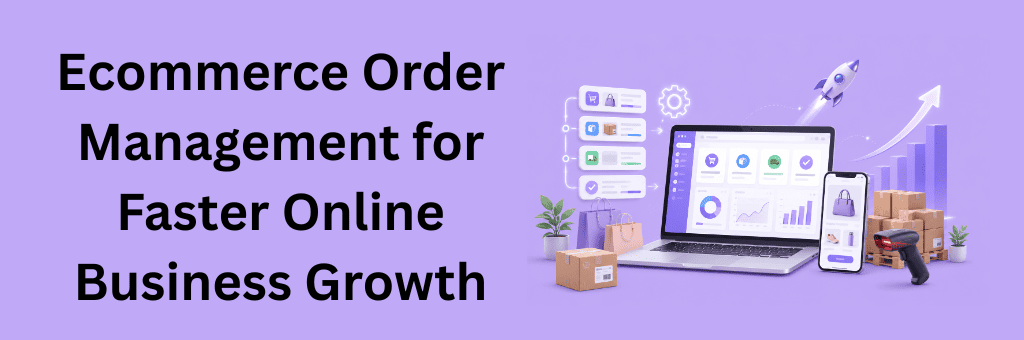
Modern online brands need ecommerce order management to control every order clearly. Today, customers buy from websites, marketplaces, mobile apps, and social stores. Therefore, businesses need order fulfillment software to manage fast delivery. They also need an omnichannel ecommerce platform for connected selling. Strong online order processing helps teams reduce delays and improve service quality. Moreover, smart order systems keep sales, inventory, warehouse, and shipping teams aligned. As a result, businesses avoid missed orders, wrong deliveries, and poor customer experiences. With ecommerce order management, growing stores can process more orders without losing control. Consequently, daily operations become faster, cleaner, and more reliable.
What is ecommerce order management software? It is a digital system that tracks orders from purchase to delivery. It manages order capture, stock updates, picking, packing, shipping, returns, and customer updates. Therefore, teams can see each order status in one place.
A strong ecommerce order management system connects sales channels with warehouse operations. It also improves communication between customer service and delivery teams. Because of this, businesses can handle more orders with fewer manual steps.
Additionally, it supports payment checks, courier allocation, delivery notes, and return requests. So, companies get smoother workflows and better visibility. This control matters more when order volume grows quickly.
Customers expect quick updates after every purchase. Therefore, slow order handling can quickly damage their trust. Efficient ecommerce order management helps teams confirm, organize, process, and dispatch orders without unnecessary delays. It also reduces operational confusion during peak sales periods.
For example, a business may receive orders from its website and multiple marketplaces at the same time. Without a centralized system, the team may process duplicate orders or sell unavailable stock. However, ecommerce order management reduces these risks by providing real-time visibility into orders, inventory, and fulfilment status.
Moreover, faster order processing supports better delivery planning. Teams can prioritize urgent shipments, coordinate warehouse activities, and manage returns with less stress. As a result, customers receive timely updates, accurate deliveries, and a more reliable shopping experience.
How does order fulfillment software improve delivery speed? It automates order routing, picking lists, packing tasks, and courier selection. Therefore, warehouse teams spend less time checking details manually. They can move faster from order confirmation to dispatch.
Good order fulfillment software also connects stock locations with delivery zones. As a result, the system can select the best warehouse for shipping. This saves time and reduces delivery delays.
Moreover, automation helps teams prepare bulk orders during campaigns. It also reduces repeated data entry. Consequently, staff can focus on packing accuracy and customer support. A reliable order fulfillment solution makes fulfillment smarter and faster.
How does order fulfillment software reduce shipping errors? It checks order details before dispatch. It matches customer information, product quantity, stock location, and delivery address. Therefore, the team catches mistakes early.
Manual order handling often creates wrong shipments. However, order fulfillment software reduces these risks through barcode scanning and automated checks. It can also print accurate shipping labels and packing slips.
Additionally, the system tracks order changes in real time. This way, warehouse teams stop cancelled or modified orders before packing begins.
This creates cleaner warehouse operations. It also improves trust with customers. As a result, fewer complaints reach the support team.
Why do businesses need an omnichannel ecommerce platform? Modern buyers do not use one channel only. They may discover products on social media, compare on marketplaces, and buy from websites. Therefore, sellers need connected systems that combine ecommerce order management with real-time inventory and sales data to improve efficiency, reduce errors, and maintain seamless operations across every sales channel.
An omnichannel ecommerce platform brings orders, inventory, pricing, customer data, and ecommerce order management together in one connected system. It helps businesses manage multi-channel selling without daily confusion. Moreover, it supports faster decisions because teams see one shared view of sales, inventory, and order activity.
How does an omnichannel ecommerce platform support multi-channel selling? It syncs product listings, stock updates, orders, customer records, and ecommerce order management processes across every sales channel. As a result, businesses can sell across many platforms with better control, improved accuracy, and a more consistent customer experience.
What features should an omnichannel ecommerce platform have? It should offer order syncing, inventory visibility, customer records, payment tracking, and delivery integration. It should also support reports, return management, and role-based access.
A strong omnichannel ecommerce platform must support websites, marketplaces, mobile apps, and retail stores. Therefore, growing brands can manage every channel from one place. Moreover, it should connect with accounting, ERP, CRM, and courier systems.
Useful features include:
These features make multi-channel ecommerce software more valuable for daily growth.
What are the benefits of ecommerce order management systems? They improve speed, accuracy, tracking, and team productivity. They also give managers clearer insights into order performance and daily workflow efficiency. Therefore, businesses can fix issues before they grow.
The biggest benefit of ecommerce order management is central visibility. Teams can track every order from purchase to delivery. Moreover, an online order tracking system keeps customers updated during each stage.
These systems also reduce manual workload. As a result, staff can handle more orders with less pressure. Additionally, better reports help management plan stock, staffing, and delivery resources. This creates stronger control across ecommerce operations.
What is the difference between order fulfillment software and inventory management software? Inventory software mainly tracks stock levels, stock movement, and product availability. Fulfillment software manages order picking, packing, shipping, and delivery updates.
Both systems work together, but they solve different problems. Inventory systems show whether the required products are available before order processing starts.
However, fulfillment tools answer, “How do we deliver this order?”
For growing brands, both systems matter. Therefore, businesses need integrated tools. When stock and fulfillment connect, teams reduce overselling and shipping delays. This improves order accuracy and customer satisfaction.
How can ecommerce order management improve customer satisfaction? It gives customers faster confirmations, better tracking, and fewer delivery mistakes. As a result, buyers feel more secure and informed after placing an order.
A strong ecommerce order management process improves response time. Customer service teams can check order status quickly. They can also answer delivery questions without calling warehouse staff.
Moreover, automated updates reduce customer anxiety. Buyers know when an order ships, delays, or arrives. As a result, they trust the business more. Satisfied buyers usually come back and share positive words about the business. This creates long-term growth.
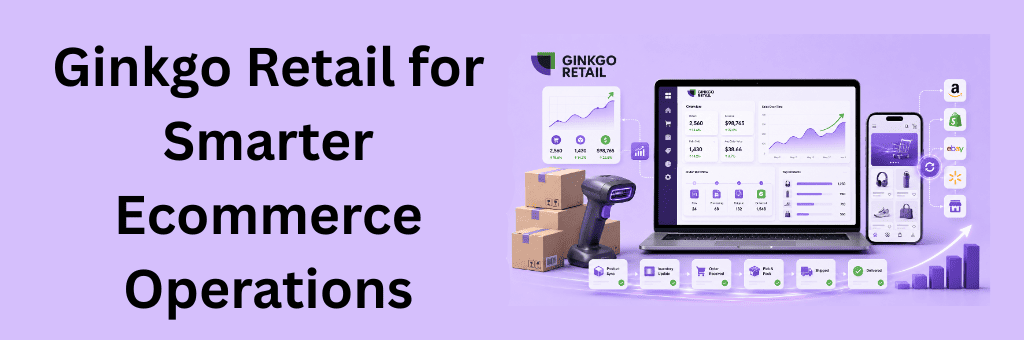
Ginkgo Retail helps growing businesses manage smarter ecommerce workflows. It supports connected selling, faster order handling, and better fulfillment visibility. Therefore, teams can reduce manual work and improve delivery control.
The platform helps businesses align sales channels, stock movement, order tracking, and customer communication. Moreover, it supports better decisions through clear operational data. This makes growth easier for online stores, retail chains, and expanding digital sellers.
With Ginkgo Retail, businesses can build a stronger order process. They can also improve delivery automation and manage daily operations with more confidence.
Strong ecommerce order management gives online businesses better speed, accuracy, and visibility. It connects sales, warehouse, delivery, and customer service operations. Therefore, teams can handle more orders without losing control.
Businesses also need order fulfillment software and an omnichannel ecommerce platform for scalable growth. These solutions lower mistakes, strengthen selling across multiple channels, and create a better customer experience. For growing online brands, Ginkgo Retail can support smarter order control and cleaner ecommerce operations.
FAQs:

CEO & Founder Ginkgo Retail & Comverse | Serial Entrepreneur | Award-Winning SaaS Innovator | E-commerce Veteran | Team Builder | Building AI-driven E-commerce Solutions. He has diverse experience of 10+ years in versatile domains of e-commerce, logistics and tech-oriented business. His eminent role in ecommerce management empowered him to benefit the industry with his knowledge, vision and experience.
Digital Wallet