

Inventory storage systems play a vital role in modern commerce. With the rise of multi-vendor marketplace platforms, companies require robust tools to manage vendors, track stock, and process orders efficiently. A vendor management system combined with automated inventory management systems ensures smooth operations. These solutions streamline supply chains, improve vendor relationships, and optimize customer experiences.
A growing number of businesses adopt multi-vendor marketplace software to support sellers while integrating warehouse inventory management tools. In parallel, order management system software and retail inventory management systems help reduce errors, save time, and improve scalability. Managing stock across different sales channels requires a simple inventory management system backed by automation. With evolving ecommerce needs, companies must adopt advanced management software for ecommerce that integrates vendor control and inventory optimization seamlessly.
Growing ecommerce brands often struggle with order delays, stock discrepancies, and supplier miscommunication. Inventory storage systems solve these challenges by providing a single source of truth. With integration into vendor inventory management and multi-vendor marketplace platforms, companies reduce risk while boosting accuracy.
These systems are designed to handle fluctuating demand, especially in multi-vendor ecommerce environments. By combining automation with a warehouse inventory management program, businesses improve order accuracy, streamline vendor updates, and increase customer satisfaction. Advanced management software for ecommerce ensures every product is tracked across channels without manual errors.
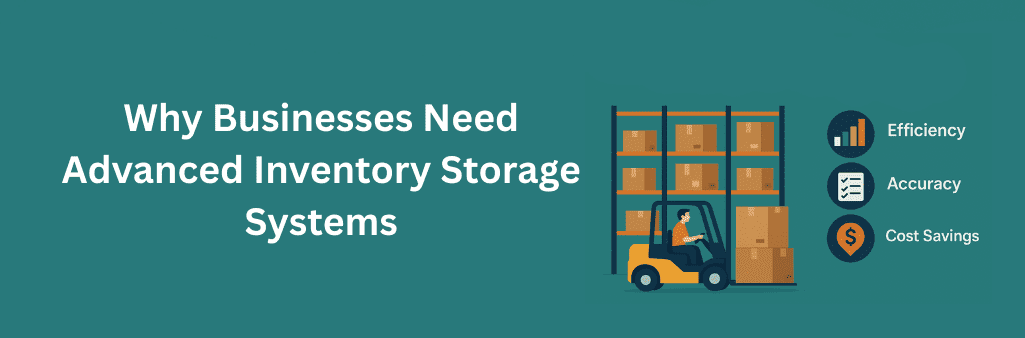
Businesses with multiple supplier’s face challenges in managing stock levels, orders, and fulfillment. Inventory storage systems solve these issues with real-time tracking and automated workflows.
By combining these systems, companies achieve flexibility and growth. Many ecommerce brands also partner with multi-cloud management vendors to scale infrastructure globally. This integration enables enterprises to strengthen data precision, enhance vendor collaboration, and make smarter business decisions.
A multi-vendor ecommerce marketplace allows different sellers to operate under one platform. This structure requires efficient vendor marketplace tools to handle large volumes of data and transactions.
Key Benefits:
These solutions reduce operational costs and improve profit margins. A multi-vendor marketplace platform combined with an automated inventory management system ensures smooth order fulfillment and seamless buyer experiences.
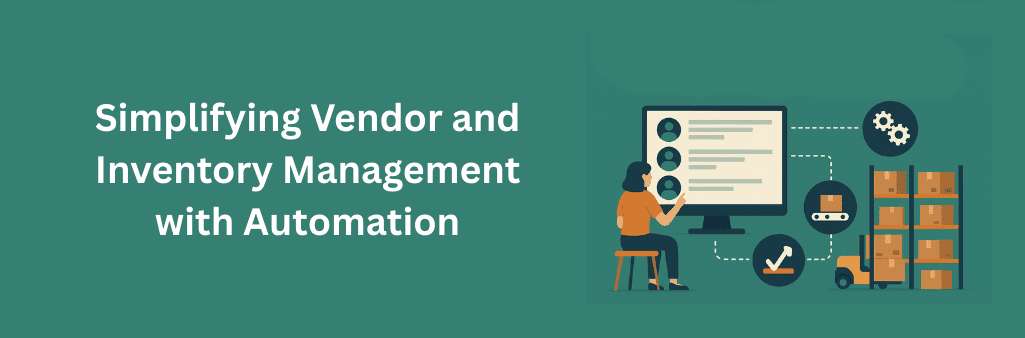
Automation is crucial in ecommerce success. Order management system software integrates directly with warehouse inventory management programs to eliminate manual errors.
Advantages of Automated Inventory Systems:
When paired with retail inventory management systems, businesses gain full visibility across channels. Automation also enhances management software for ecommerce, enabling sellers to focus more on growth rather than manual administration.
Retail inventory management systems empower businesses to optimize space, track demand, and minimize losses. These solutions are highly beneficial for online retailers operating in a multi-vendor marketplace setup.
This synergy between vendor inventory management and warehouse tools enables sellers to improve profitability and customer trust.

and buyers. Inventory storage systems play a crucial role by offering visibility into stock levels, product movements, and vendor performance. Integrated with an automated vendor management system, these solutions enable smooth communication and faster fulfillment.
Retailers benefit from accurate forecasting, while vendors gain transparency through vendor information systems. With smart features, a simple inventory management system becomes powerful enough to support complex operations. This combination reduces overselling, prevents lost sales, and maximizes marketplace efficiency. Businesses adopting tools like order management system software ensure long-term ecommerce growth.
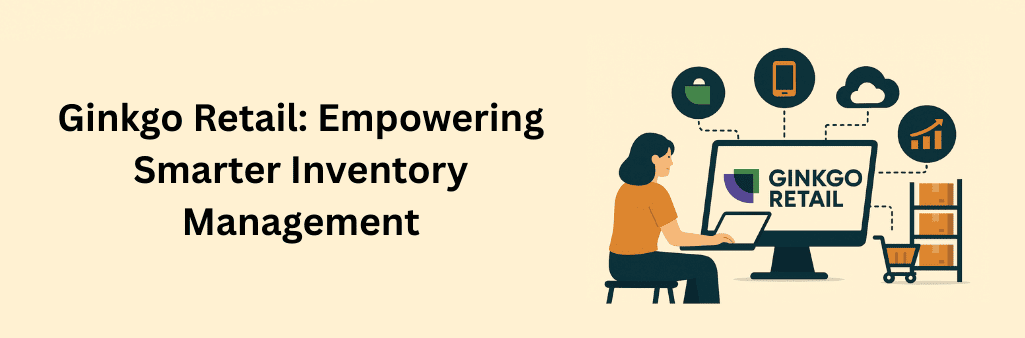
Ginkgo Retail provides innovative solutions that integrate inventory storage systems with advanced vendor management software. The platform supports multi-vendor ecommerce businesses with tools for order automation, warehouse tracking, and real-time reporting.
With Ginkgo Retail, brands streamline vendor onboarding, improve fulfillment speed, and reduce operational costs. This approach ensures businesses remain competitive in the fast-paced digital marketplace.
The future of ecommerce depends on advanced inventory storage systems and intelligent vendor tools. Businesses adopting multi-vendor marketplace software and automated vendor management systems achieve better scalability, accuracy, and growth.
Solutions like warehouse inventory management programs and order management system software are no longer optional—they are essential. Retailers seeking success must combine automation with robust vendor collaboration. By adopting advanced technology, organizations boost operational efficiency, elevate customer experiences, and achieve greater profitability.
For brands looking to simplify vendor and stock management, Ginkgo Retail delivers a complete solution tailored to ecommerce demands.
Q1. What are inventory storage systems in ecommerce, and how does Ginkgo Retail improve them?
They organize and track stock. Moreover, Ginkgo Retail adds real-time automation. Therefore, inventory becomes faster to manage.
Q2. How do automated inventory management systems benefit online stores?
They reduce errors and track stock in real time. As a result, fulfillment becomes quicker.
Q3. Why is a vendor management system important for multi-vendor platforms with Ginkgo Retail?
It simplifies vendor control. In addition, Ginkgo Retail centralizes operations. Consequently, management becomes smoother.
Q4. How does Ginkgo Retail support vendor inventory management?
It automates stock tracking. Moreover, it updates inventory in real time. Therefore, accuracy improves.
Q5. How does warehouse inventory management support order fulfillment?
It improves picking speed and stock placement. As a result, deliveries are faster.
Q6. What is the difference between simple systems and Ginkgo Retail solutions?
Simple systems track basics only. However, Ginkgo Retail adds analytics and forecasting. Therefore, control improves.
Q7. Can a multi-vendor marketplace integrate with order systems using Ginkgo Retail?
Yes, it connects orders and inventory. Moreover, Ginkgo Retail enables real-time sync. Consequently, operations stay smooth.
Q8. Who should choose Ginkgo Retail and why?
Ecommerce and marketplace businesses. Moreover, it offers automation and scalability. Therefore, growth becomes easier.

CEO & Founder Ginkgo Retail & Comverse | Serial Entrepreneur | Award-Winning SaaS Innovator | E-commerce Veteran | Team Builder | Building AI-driven E-commerce Solutions. He has diverse experience of 10+ years in versatile domains of e-commerce, logistics and tech-oriented business. His eminent role in ecommerce management empowered him to benefit the industry with his knowledge, vision and experience.
Digital Wallet