

A multi-vendor ecommerce platform enables multiple sellers to operate under one online marketplace. It connects vendors, customers, and administrators in a unified digital space. Businesses use it to sell products, manage orders, and process payments in one system. Whether you run a small business ecommerce platform or an enterprise ecommerce platform, these solutions streamline sales and boost revenue.
Countless businesses leverage B2B ecommerce platforms to efficiently cater to wholesale buyers.
Others use a grocery ecommerce platform or headless ecommerce platforms to offer flexible shopping experiences. A solid ecommerce integration platform also connects inventory, CRM, and payment systems. Choosing the top ecommerce platforms improves customer engagement and operational efficiency.
A multi-vendor ecommerce platform offers scalability and flexibility. It supports different vendor accounts, each with their own inventory and pricing. Buyers enjoy a wide product range in one place.
Benefits include:
For best b2b ecommerce platforms, features like bulk ordering and contract pricing are essential. For Ecommerce Platform for Beginners, an easy interface and low setup cost are important.

Selecting from the top 10 ecommerce platforms requires clear evaluation. Every business model—B2B, SMB, or enterprise—has different needs.
Essential Features:
Wholesale brands need a wholesale ecommerce platform with tiered pricing. SMBs prefer Best Ecommerce Platform SMBs with low transaction fees and simple setup.
Selecting the ideal multi-vendor ecommerce platform requires understanding your business model, customer base, and growth goals. Small retailers may benefit from a small business ecommerce platform with low costs and easy setup, while large enterprises often need ecommerce enterprise platforms with advanced scalability and integration. For wholesale and B2B sellers, the best b2b ecommerce platforms offer bulk ordering, contract pricing, and custom account management. Consider whether you need headless ecommerce platforms for design flexibility or an omnichannel ecommerce platform to sell across multiple channels. Evaluating features, vendor support, and integration capabilities ensures your chosen solution aligns with both current operations and future expansion.

Ideal for startups or growing brands. They need affordable pricing, ease of use, and mobile-friendly designs.
Offers corporate account management, recurring orders, and integration with ERP systems.
Advanced scalability, multi-language support, and high-end security.
Specialized inventory management, delivery scheduling, and perishable goods tracking.
By selecting the right solution, brands can compete on the online ecommerce platforms marketplace with confidence.
A robust ecommerce integration platform connects store data with other tools. This includes CRMs like Salesforce ecommerce platform, ERPs, and marketing automation software.
Benefits:
For example, best b2b ecommerce platforms often require deep ERP integration to manage complex supply chains.
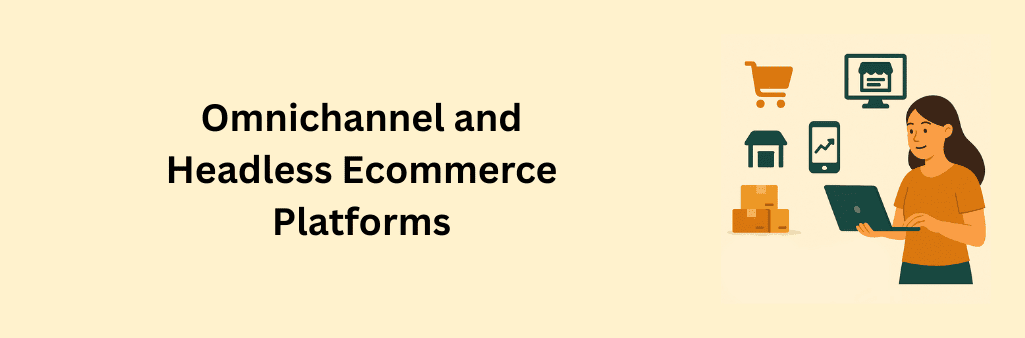
Omnichannel ecommerce platforms allow sales through web, mobile, marketplaces, and physical stores. This ensures consistent brand experiences.
Headless ecommerce platforms separate the front-end design from the backend. This flexibility helps brands create unique storefronts without backend limitations. Many top ecommerce platforms now support headless architecture for better customization.
Beginners need platforms with:
Best Ecommerce Platform SMBs should support scalability without high costs. They must also offer strong vendor management features for small-scale multi-vendor setups.

Ginkgo Retail is a comprehensive commerce solution built for businesses of all sizes, from startups to global enterprises. It delivers a robust multi-vendor ecommerce platform with integrated B2B platform ecommerce features, enabling sellers to manage multiple storefronts, automate order processing, and streamline vendor payments. Its advanced ecommerce integration platform connects seamlessly with ERPs, CRMs, and marketing tools, ensuring smooth data flow and real-time updates. Whether you require a grocery ecommerce platform, an enterprise ecommerce platform, or a headless ecommerce platform, Ginkgo Retail offers fully customizable modules to match your unique needs. With detailed analytics, omnichannel selling capabilities, and scalable infrastructure, it empowers brands to sell smarter, faster, and more efficiently.
A multi-vendor ecommerce platform is essential for businesses aiming to scale in competitive markets. Whether you need a B2B platform ecommerce, headless ecommerce platform, or grocery ecommerce platform, choosing the right system impacts growth. With solutions like Ginkgo Retail, brands can integrate tools, manage vendors, and deliver exceptional shopping experiences. The future of commerce lies in flexible, integrated, and scalable ecommerce platforms.

CEO & Founder Ginkgo Retail & Comverse | Serial Entrepreneur | Award-Winning SaaS Innovator | E-commerce Veteran | Team Builder | Building AI-driven E-commerce Solutions. He has diverse experience of 10+ years in versatile domains of e-commerce, logistics and tech-oriented business. His eminent role in ecommerce management empowered him to benefit the industry with his knowledge, vision and experience.
Digital Wallet