

Retailers today manage thousands of SKUs, online listings, and customer expectations. The right product information management software makes this task easier. It helps streamline inventory management, enhances business operations, and powers growth. From product management software to ecommerce inventory management, businesses need agile solutions to stay competitive.
Whether you’re a small seller or a large enterprise, effective inventory control software is essential. A reliable product information management system centralizes all data, reduces errors, and increases operational efficiency. Combine this with returns management software and a smart retail management system, and you’re set for scalable success.
A product information management system (PIM system) is more than just storage for product data. It ensures all departments work with accurate, updated information across channels.
Key Benefits of a PIM System:
By using a business management system, retailers get a unified view of all products. This reduces costly data duplication and keeps stock updated across platforms. If paired with operations management software, it eliminates manual data errors.

An efficient inventory management system keeps your supply chain smooth. It tracks stock levels, manages SKUs, and forecasts demand.
Why it matters:
Combining inventory software for ecommerce with product software creates powerful synergies. Accurate data means better decision-making, timely restocking, and optimized product listings.
Retailers also benefit from returns management capabilities. Handling reverse logistics becomes easier, improving the post-purchase experience. This leads to increased customer satisfaction and loyalty.
In online retail, accurate and engaging product listings are essential. Product information management software helps organize and distribute high-quality content across marketplaces.
Features to look for:
With a reliable retail management software suite, sellers can maintain product consistency. This ensures customers receive correct product info—every time. For brands managing multiple channels, using business operations software alongside product management software can dramatically improve speed and accuracy.
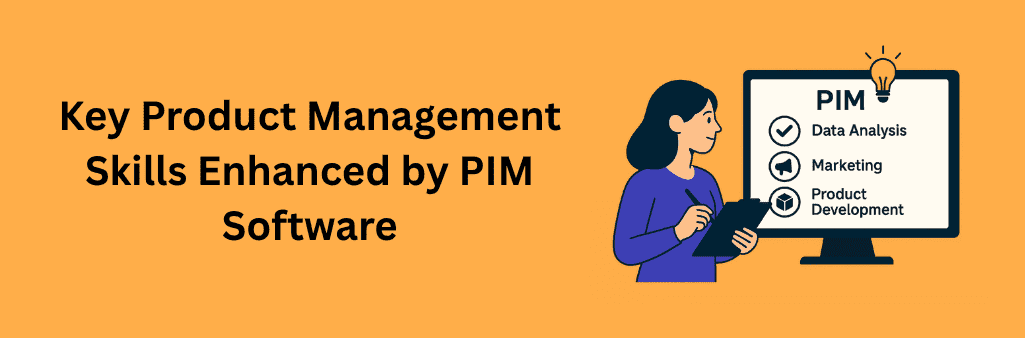
Using product information management software strengthens vital product management skills. These skills drive strategic decisions and growth.
Skills amplified:
With detailed product data, businesses can predict trends and make data-driven decisions. Tools like inventory control software and management system software allow teams to react faster to market shifts. In combination with returns management software, the full product journey is under control.
Managing stock doesn’t end at the point of sale. Handling returns is equally important. That’s where returns management software comes in.
Seamless Returns Process:
By combining inventory control software and returns management, you reduce waste and increase profits. Retail management systems make this process seamless by integrating warehouse data and sales records.

Selecting the ideal product information management software requires knowing your business needs.
Consider:
A good ecommerce management tool should also support marketplaces like Amazon, Shopify, and eBay. When your product management software syncs with these platforms, your listings stay consistent and competitive.

Ginkgo Retail is a modern solution that blends product information management, inventory software for ecommerce, and returns management software into one intuitive platform.
It’s designed to streamline your product workflows, manage stock accurately, and reduce return-related losses. With business software like Ginkgo, retailers can automate tasks, boost accuracy, and scale without complexity.
Ginkgo Retail enables smarter decisions by offering insights from real-time product data. Whether you’re managing 500 or 50,000 SKUs, it adapts to your operations.
Effective product information management software plays a central role in modern retail strategies. It powers everything from stock control to listing accuracy.
Operational Benefits:
Use of management system software means businesses get one version of truth for all teams. This simplifies workflows and boosts accountability.
Achieve Operational Excellence with Ginkgo Retail
In today’s fast-moving digital landscape, reliable product information management software is non-negotiable. It drives operational excellence, supports scalable inventory, and enhances the overall customer journey.
By integrating tools like inventory management system, returns management, and ecommerce management, retailers can elevate their strategy.
Ginkgo Retail offers a comprehensive suite for those seeking reliable and scalable business management systems. With its intuitive platform and powerful features, managing products and operations becomes easier than ever.

Obaid Arshad is CEO/Co-founder of Ginkgo Business Solution. He has diverse experience of 10+ years in versatile domains of e-commerce, logistics and tech-oriented business. His eminent role in ecommerce management empowered him to benefit the industry with his knowledge, vision and experience.